

Client ID Requirements
Proper identification of both corporate and private clients has always been an essential part of our Notary Public practice. United Kingdom of Great Britain and Northern Ireland Government Regulations mean that a Notary Public must insist on even stricter proof of identity and proof of address.
Why do we require identity verification?
The UK is a major international financial and legal centre with a high reputation for honesty and integrity. That is why financial and professional businesses, including banks, Notary Public firms, accountancy firms and law firms are attractive to money launderers— criminals who sometimes try to hide stolen money by turning it into legitimate income.
The government has introduced measures:
- to make it more difficult for criminals to make and keep money from their crimes,
- to confiscate proceeds of crime, and
- to require Notary Public Lawyers to report suspicious transactions to the policy authority known as NCIS (the National Criminal Intelligence Service).
For this reason, there are compulsory checks which lawyers have to make of their clients which in many cases go beyond the identification standards which Notary Public Lawyers have traditionally applied.
Being asked for additional identification does not mean you are under suspicion. The new identification requirements apply to all types of clients when they are asking Notaries Public Lawyers to undertake certain types of work.
How this affects you:
Notary Public Lawyers have always asked for evidence of a client’s identity. In the case of private clients, Notaries will now also require proof of address. This means you will have to show the Notary some personal documentation that can include:
- Photo card Driving Licence;
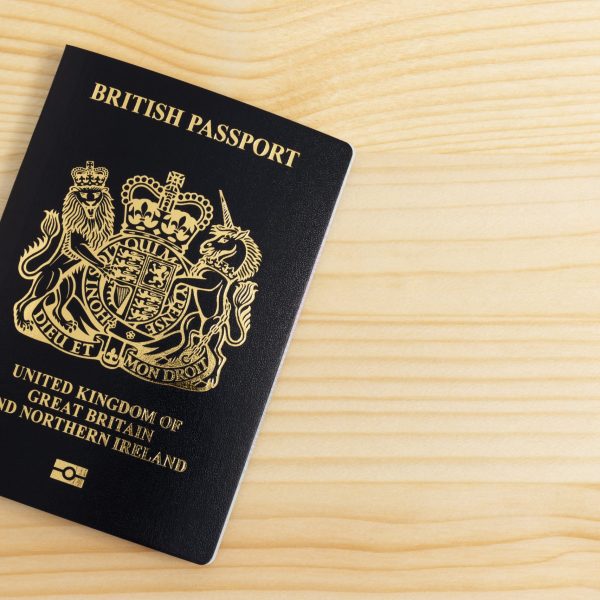
- Current Passport
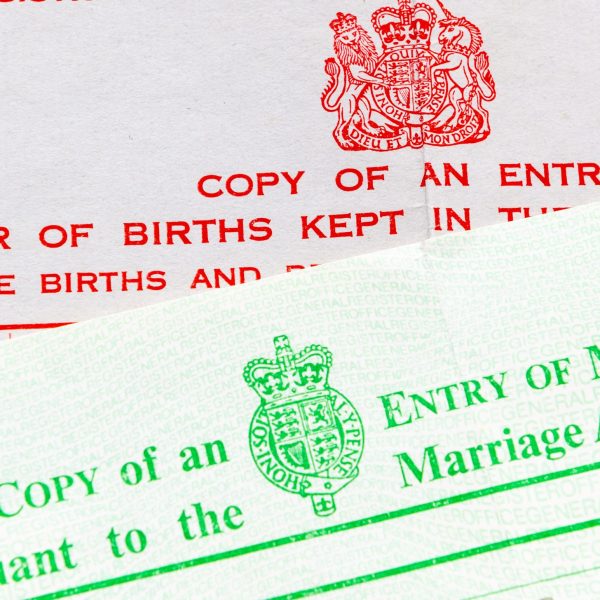
- Birth Certificate; or
- Proof of address in the form of a recent gas, electricity or council tax bill.
If you don’t have these documents, you will have to ask the Lawyer to advise you on how best to prove who you are. Your Notary will be happy to advise exactly what will be required in any particular case.
For business clients, Notary Public Lawyers will (in addition to checking your personal identity) need to establish that the Company, Limited Liability Partnership or organisation which you represent actually exists and in many cases that you are authorised to represent that company or organisation. In the case of Companies or organisations based throughout England and Wales, the Notary Public Lawyer will generally conduct their own checks to satisfy themself that the Company or organisation exists.
In some cases (particularly for Companies or organisations established overseas) they may ask you to produce certain documents. These might include a Certificate of Incorporation, Certificate of Good Standing or other similar evidence. If the Notary Public Lawyer needs to verify your authority to represent a company or organisation, additional documentation will be requested, for example:
- Constitutional documents (e.g. Memorandum and Articles of association);
- Power of Attorney;
- Board Resolutions; and
- Authorised Signatory List (in the case of banks)
Your Notary will be happy to advise exactly what will be required in any particular case.